.png)
The Rise of Grown Materials in Sustainable Packaging Solutions
- 5 days ago
- 3 min read
Packaging waste and environmental damage from petrochemical plastics and forest-based materials have become urgent challenges. The future of materials is shifting toward what can be grown rather than made. This change offers a promising path to reduce pollution, lower carbon footprints, and create packaging that performs well without compromising the planet.
Woven Bio is at the forefront of this movement, helping packaging brands transition to high-performance bio-composites. These materials are designed for sustainability and scalability, moving beyond traditional plastics and paper products. This post explores how grown materials are reshaping sustainable packaging and what it means for businesses and consumers.

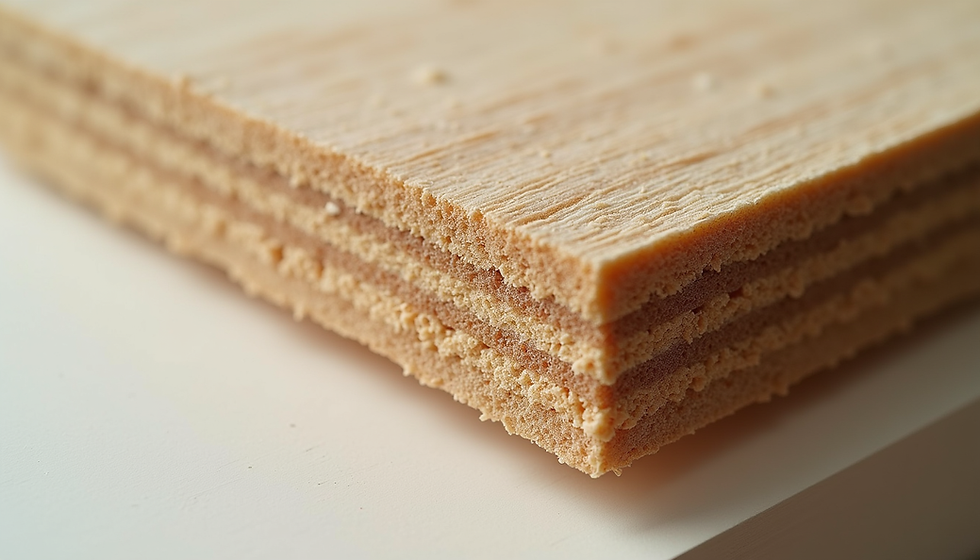
Close-up of bio-composite packaging made from natural fibers, showing texture and structure
What Are Grown Materials?
Grown materials come from renewable biological sources such as plants, fungi, or algae. Unlike petrochemical plastics, which rely on fossil fuels, or forest-based paper products, which require cutting down trees, grown materials develop through natural growth processes. This approach reduces reliance on non-renewable resources and often results in materials that are biodegradable or easier to recycle.
Examples include:
Mycelium-based composites made from mushroom roots
Plant fiber composites using hemp, flax, or kenaf
Algae-derived bioplastics
These materials can be engineered to meet specific packaging needs, such as strength, flexibility, and moisture resistance.
Why Packaging Brands Are Moving to Grown Materials
Packaging brands face increasing pressure from consumers, regulators, and environmental groups to reduce plastic waste and carbon emissions. Grown materials offer several advantages:
Lower environmental impact: They require less energy to produce and emit fewer greenhouse gases.
Biodegradability: Many grown materials break down naturally, reducing landfill waste.
Renewability: They come from crops or fungi that can be regrown each season.
Performance: Advances in bio-composites allow these materials to match or exceed traditional packaging in durability and protection.
For example, a beverage company switching from plastic bottles to bio-composite containers can reduce its carbon footprint by up to 50%, according to recent studies.
How Woven Bio Supports the Transition
Woven Bio specializes in creating bio-composite materials tailored for packaging applications. Their approach focuses on:
Material innovation: Combining natural fibers with bio-resins to create strong, lightweight composites.
Scalability: Designing processes that can produce materials at commercial volumes.
Customization: Working with brands to develop packaging that fits their product needs and sustainability goals.
One case study involved a food packaging brand that replaced its plastic trays with Woven Bio’s hemp-based composites. The new trays maintained product freshness, reduced weight by 20%, and were fully compostable after use.
Challenges and Solutions in Using Grown Materials
Despite their promise, grown materials face some challenges:
Cost: Bio-composites can be more expensive than traditional plastics due to production scale and raw material sourcing.
Supply chain: Ensuring consistent quality and availability of natural fibers requires careful management.
Performance limitations: Some bio-materials may not yet match the barrier properties of plastics for certain products.
Woven Bio and others address these issues by investing in research, improving manufacturing efficiency, and blending materials to enhance performance. Partnerships with farmers and suppliers also help secure reliable sources of raw materials.
The Future Outlook for Sustainable Packaging
As technology advances and demand grows, grown materials will become more common in packaging. Brands that adopt these solutions early can benefit from:
Stronger consumer loyalty: Shoppers increasingly prefer products with eco-friendly packaging.
Regulatory compliance: Governments worldwide are introducing stricter rules on plastic use.
Cost savings over time: Scaling production and innovation will reduce costs.
Woven Bio’s work shows that sustainable packaging does not require sacrificing quality or scale. Instead, it opens new opportunities for brands to lead in environmental responsibility.
Packaging made from grown materials represents a practical and impactful way to reduce environmental harm. By moving beyond petrochemicals and forest-based products, brands can build a more sustainable future. The shift to bio-composites is not just a trend but a necessary evolution in how we think about materials and waste.


Comments